Movement and strength
Endurance and muscular strength play different roles and complement one another in a sensible week.
 Tai Chi
Tai Chi encyclopedia
Movement, sport, strength, balance, sleep and everyday habits — explained clearly and grounded in research.
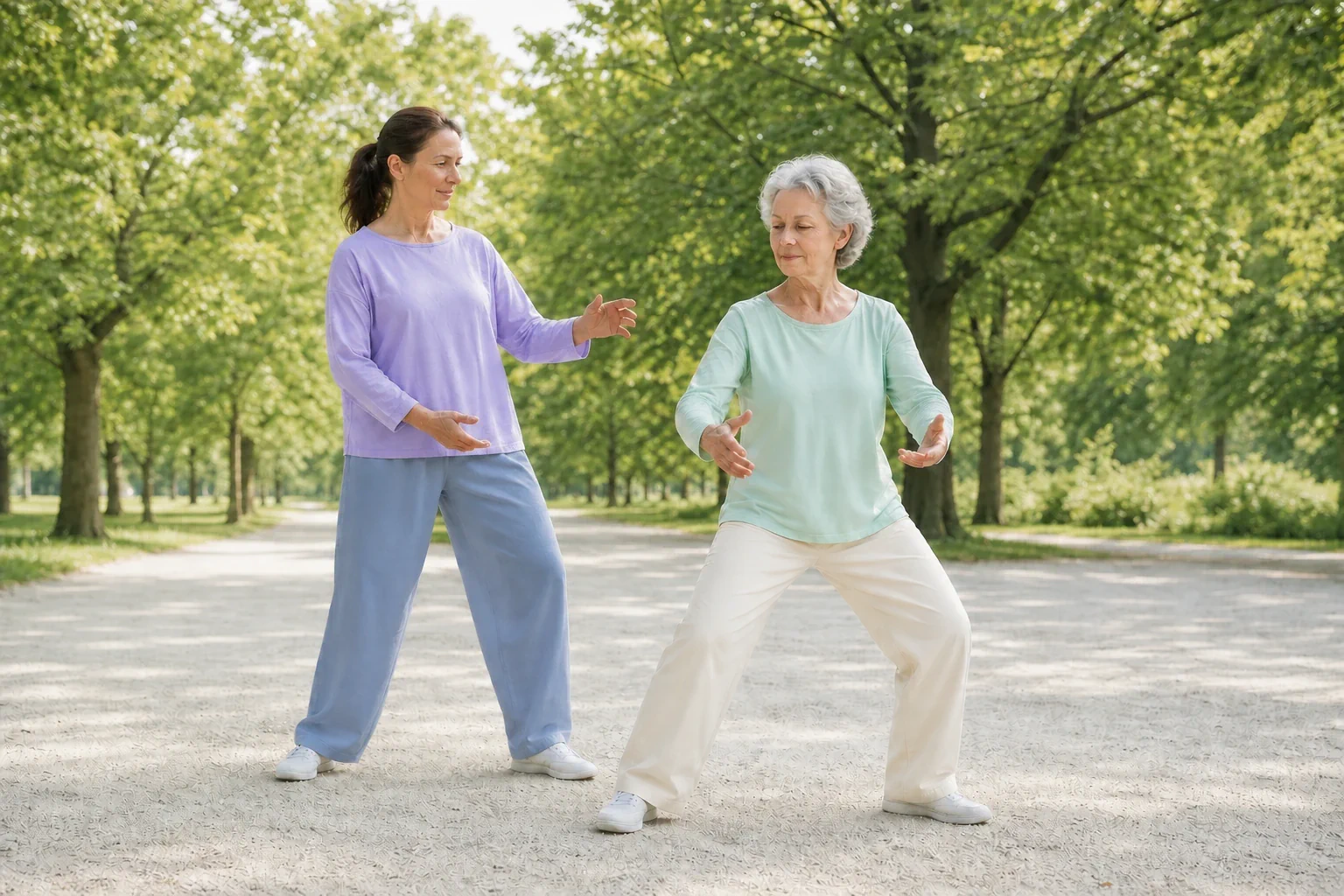
Encyclopedia
A balanced movement routine combines aerobic activity, strength, balance, recovery and less time spent sitting. Tai Chi can be a calm part of that plan, not a replacement for the full range of recommended activity or medical care.
Start reading
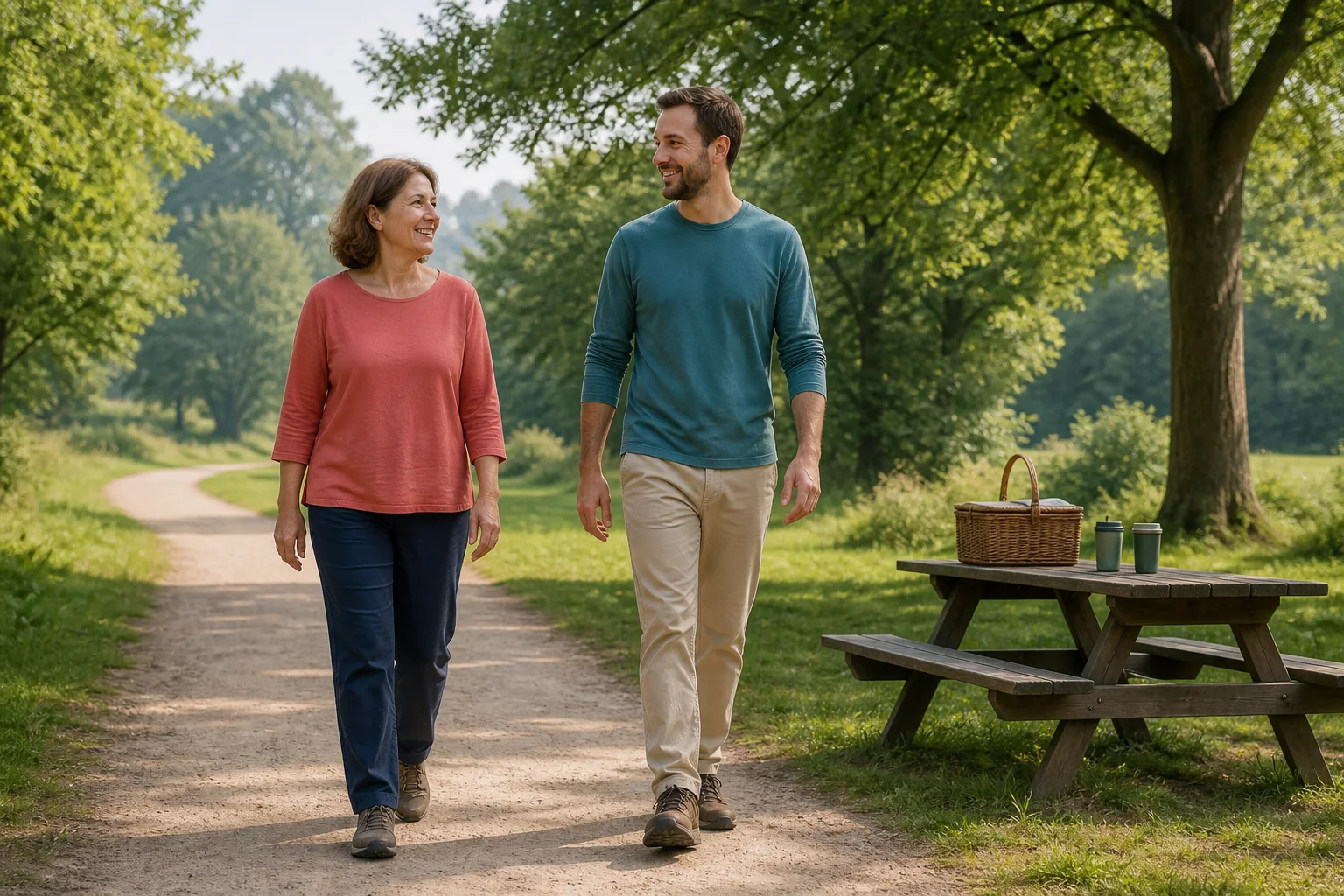
A sober look at timing a short walk, acute study outcomes, a safer first step and the limits of the evidence
Read article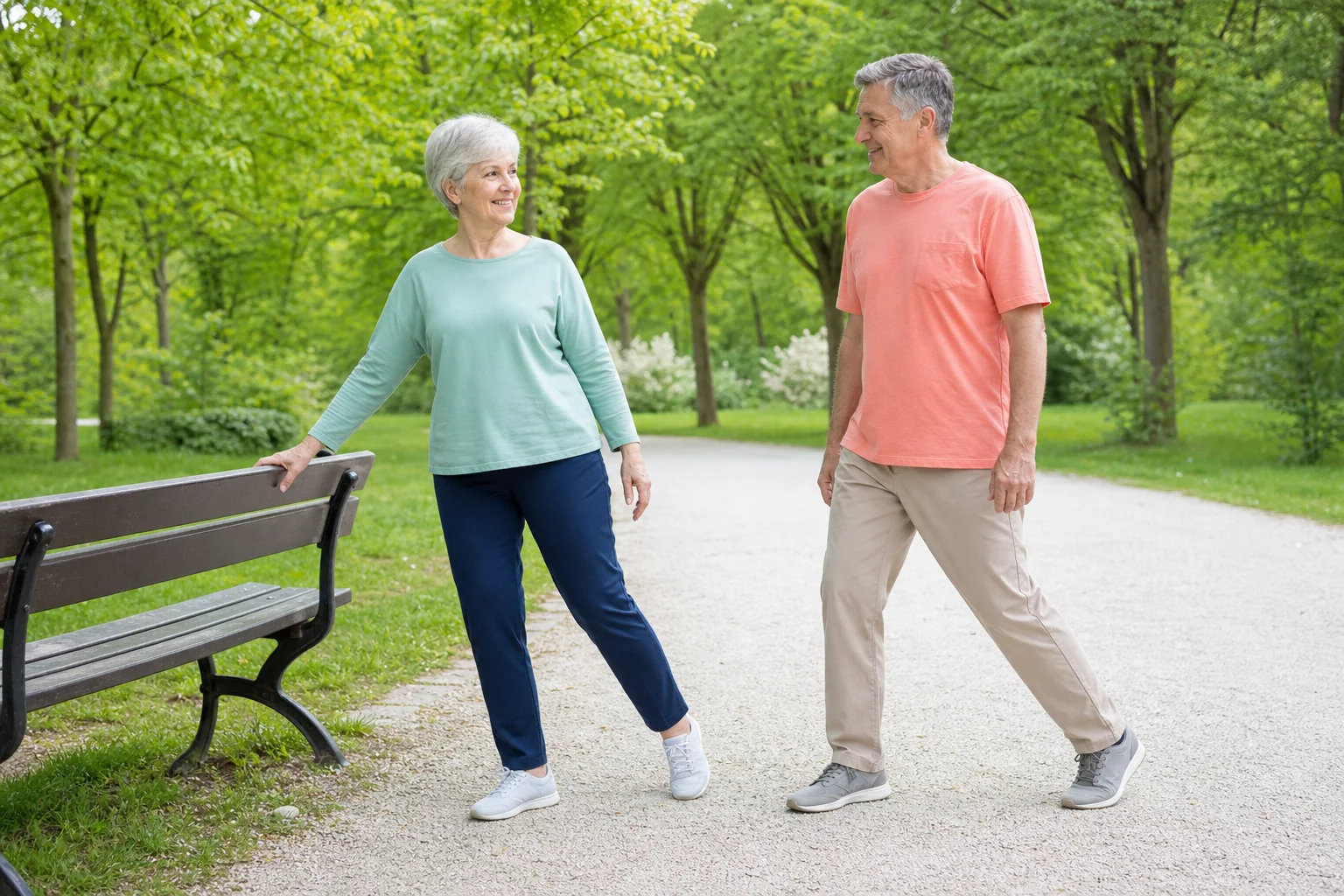
A practical map of support, small weight shifts, steps and turning with a safe way to reduce the challenge
Read article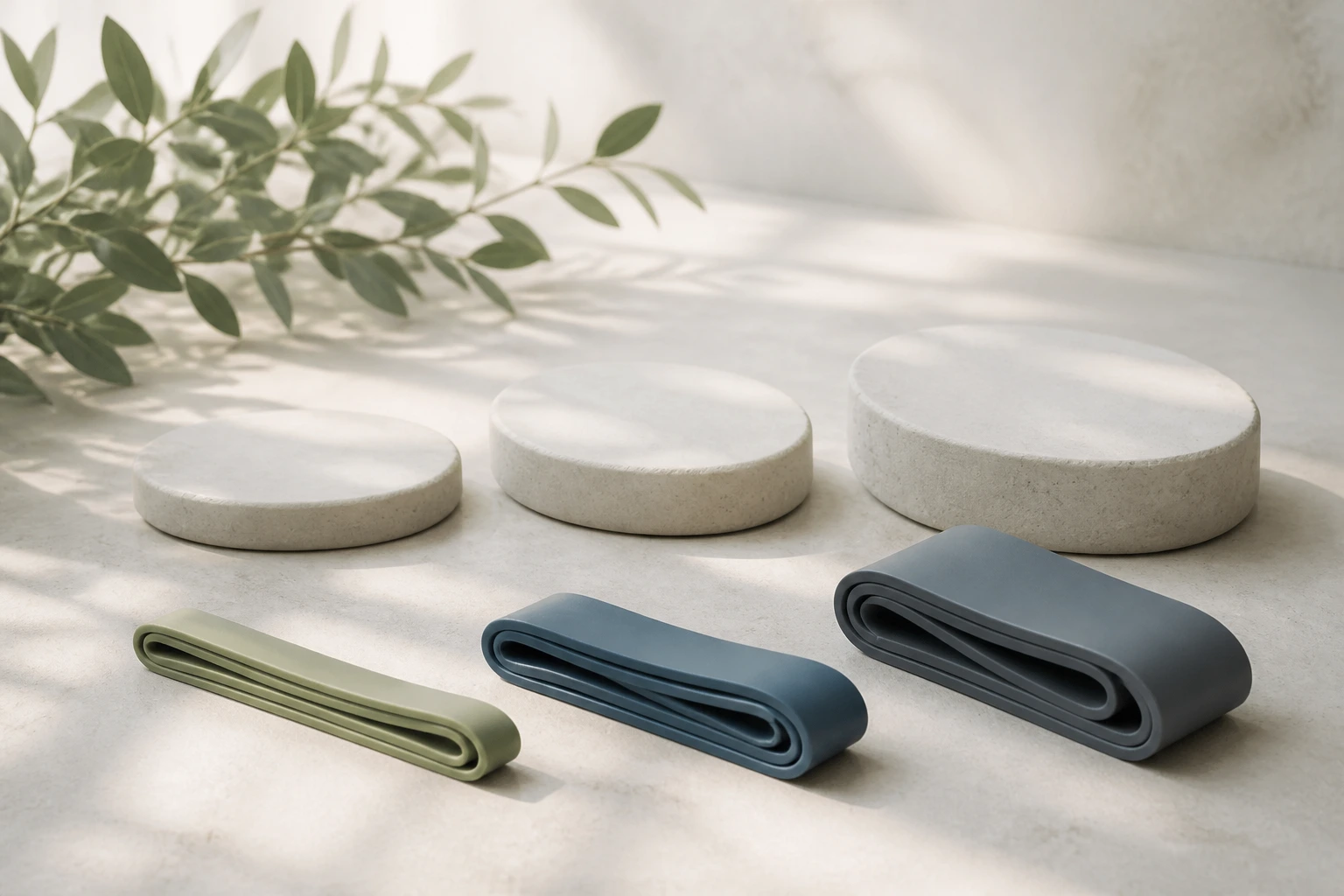
One change at a time, a repeatable baseline and response-led decisions instead of universal percentages
Read article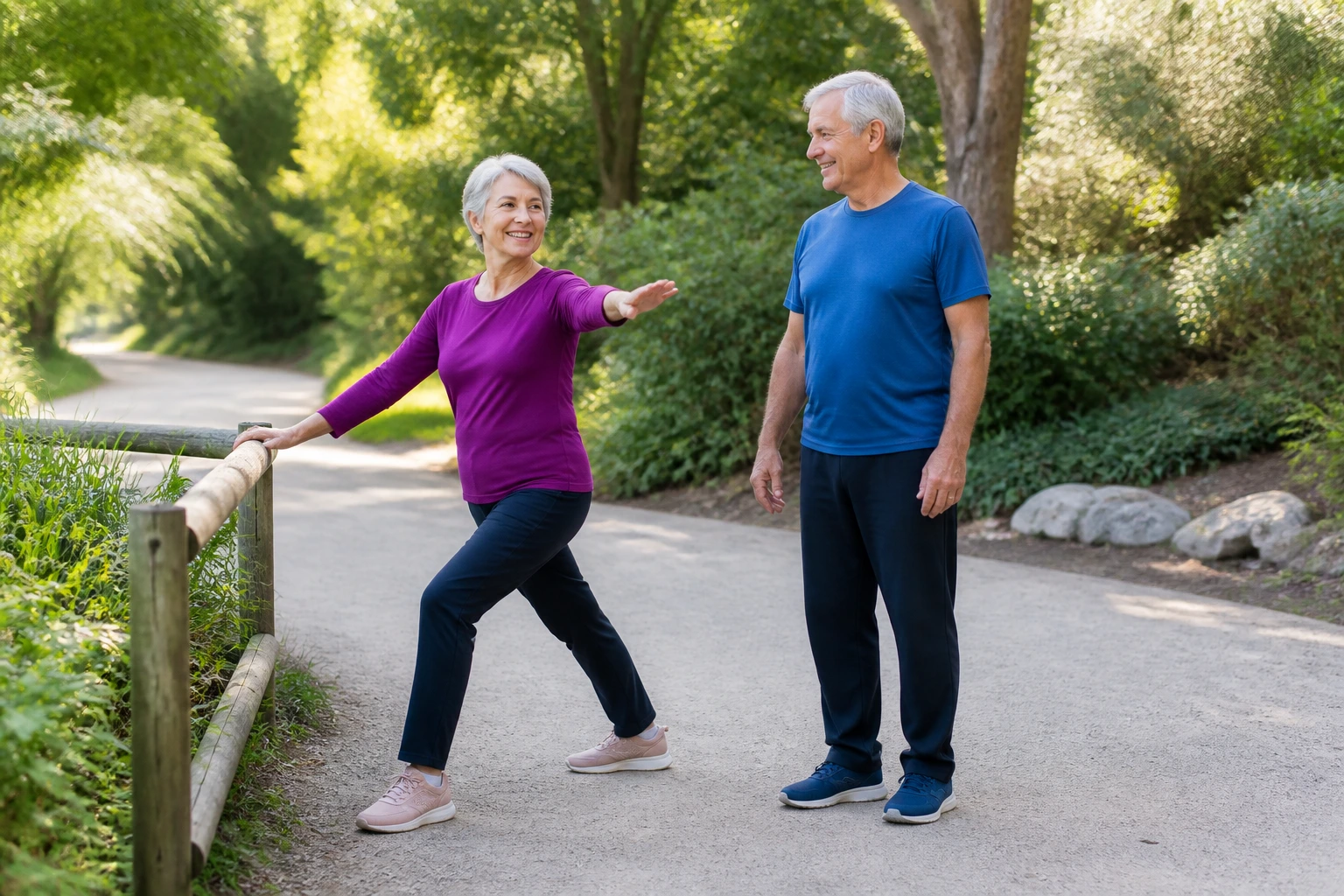
A practical return after weeks or months without chasing your former fitness or following a universal plan
Read article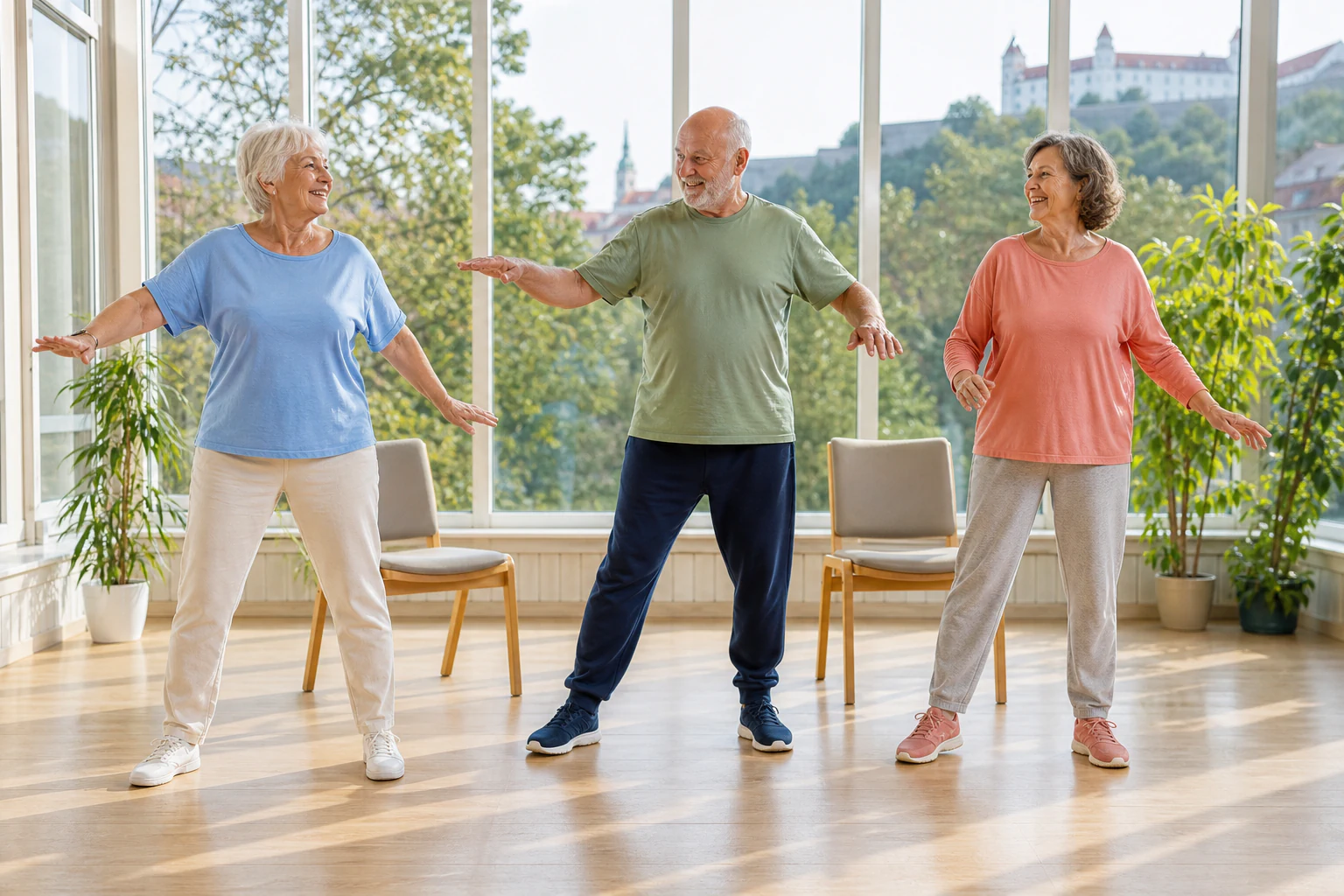
A short, adaptable morning sequence in sitting or standing that does not replace a complete active week
Read article
What we know about movement, mortality and healthy years — without promises, a magic step count or confusing association with causation
Read article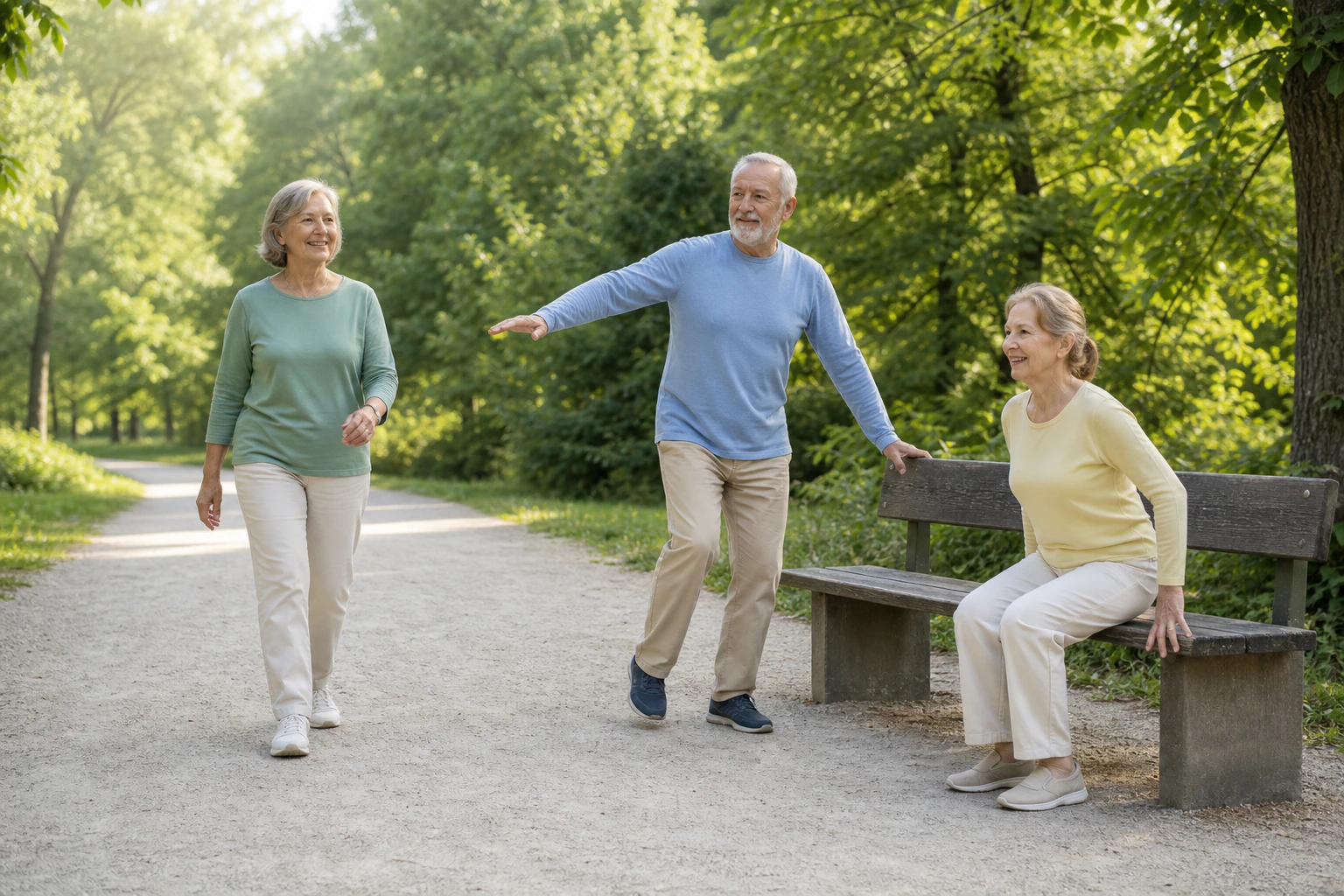
How to combine walking, strength, balance, everyday movement and recovery in a realistic week
Read article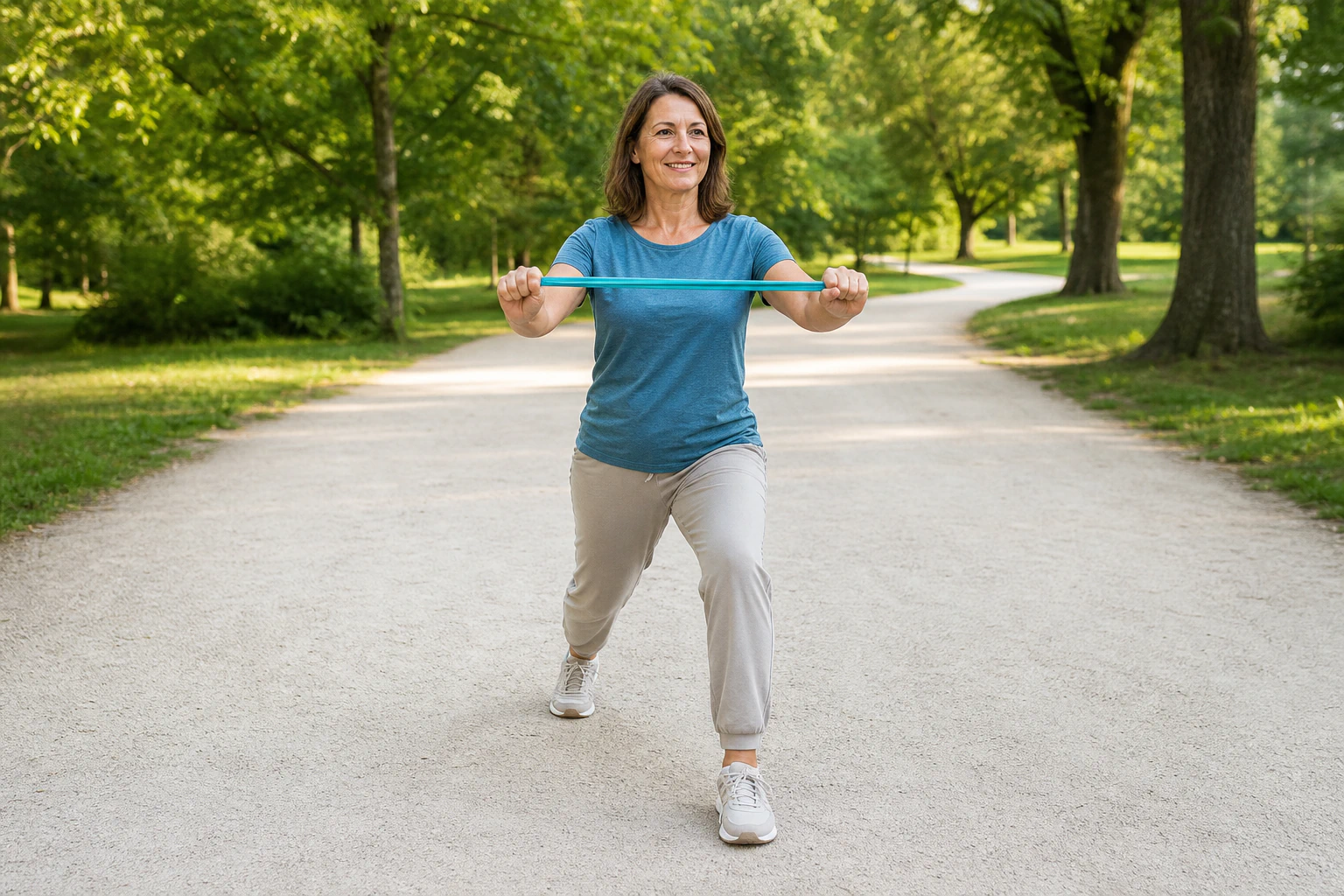
A realistic return after a break: a smaller start, a varied plan and progression without unnecessary performance tests
Read articleWhy slow weight shifting trains stability and coordination.
Read article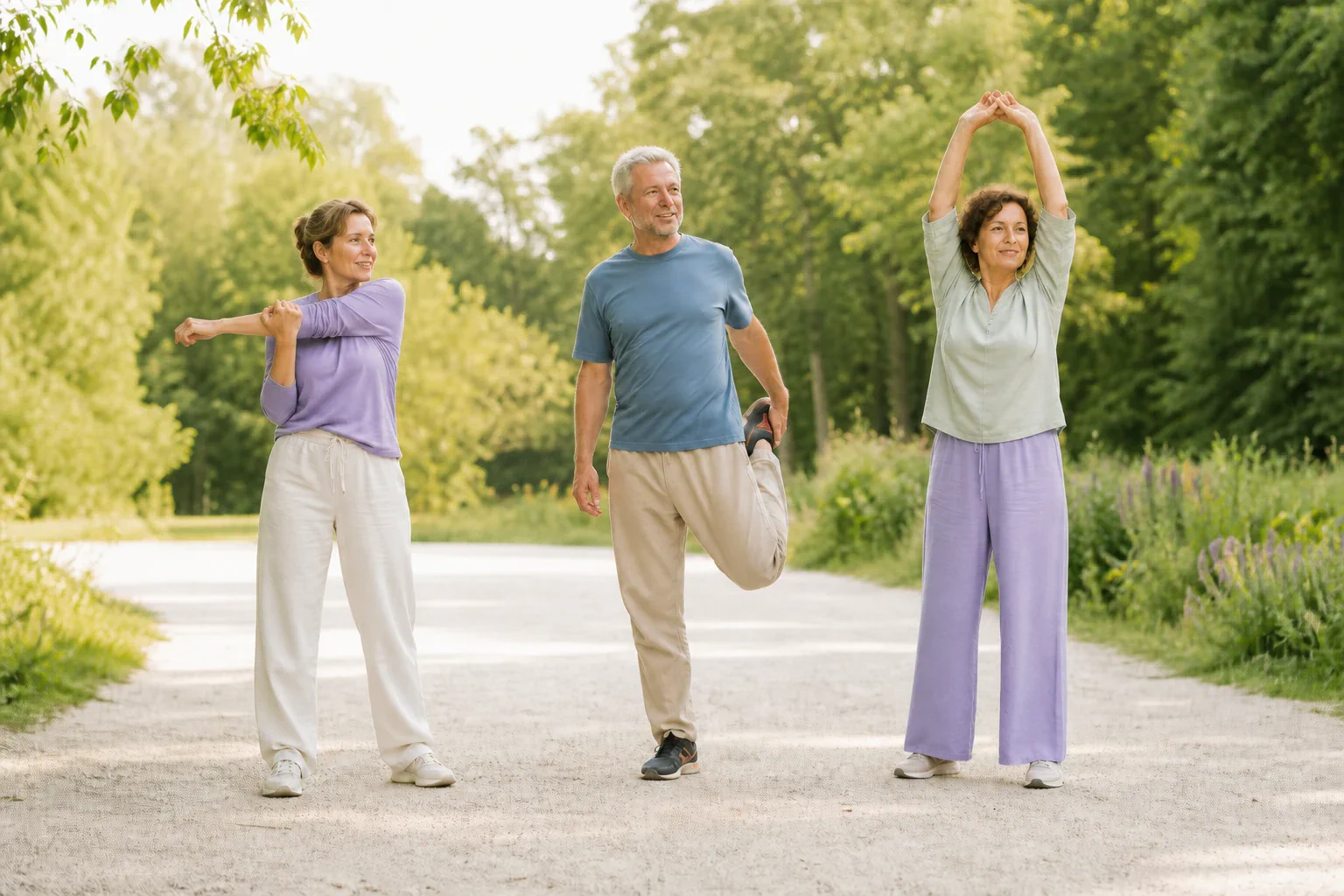
A practical start that combines walking, strength, balance, recovery and gradual progression
Read article
A simple, realistic introduction to mindful attention without promises that you must stop thinking or become calm immediately
Read article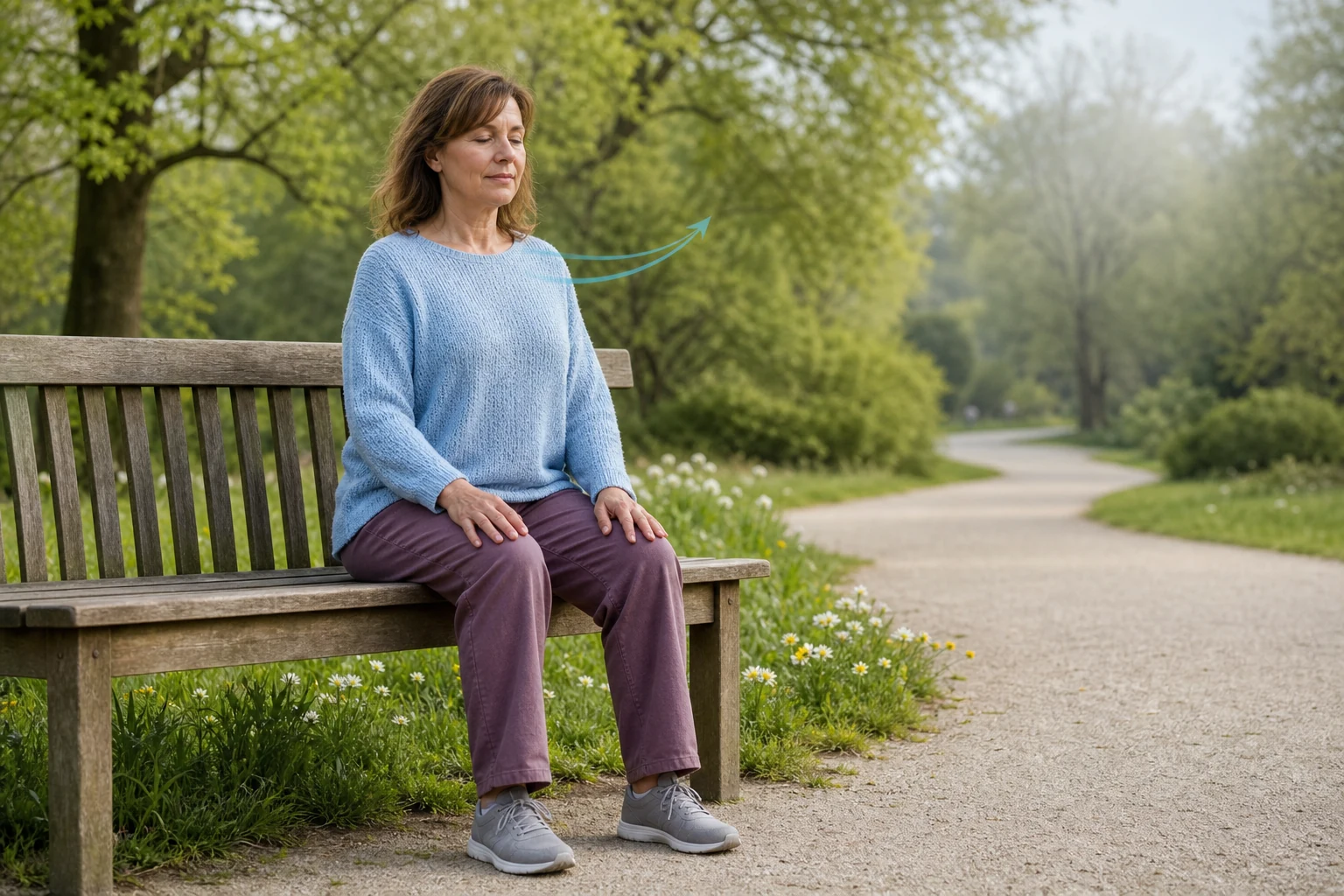
A practical first step without a lotus pose, an empty mind or promises that you must become calm immediately
Read article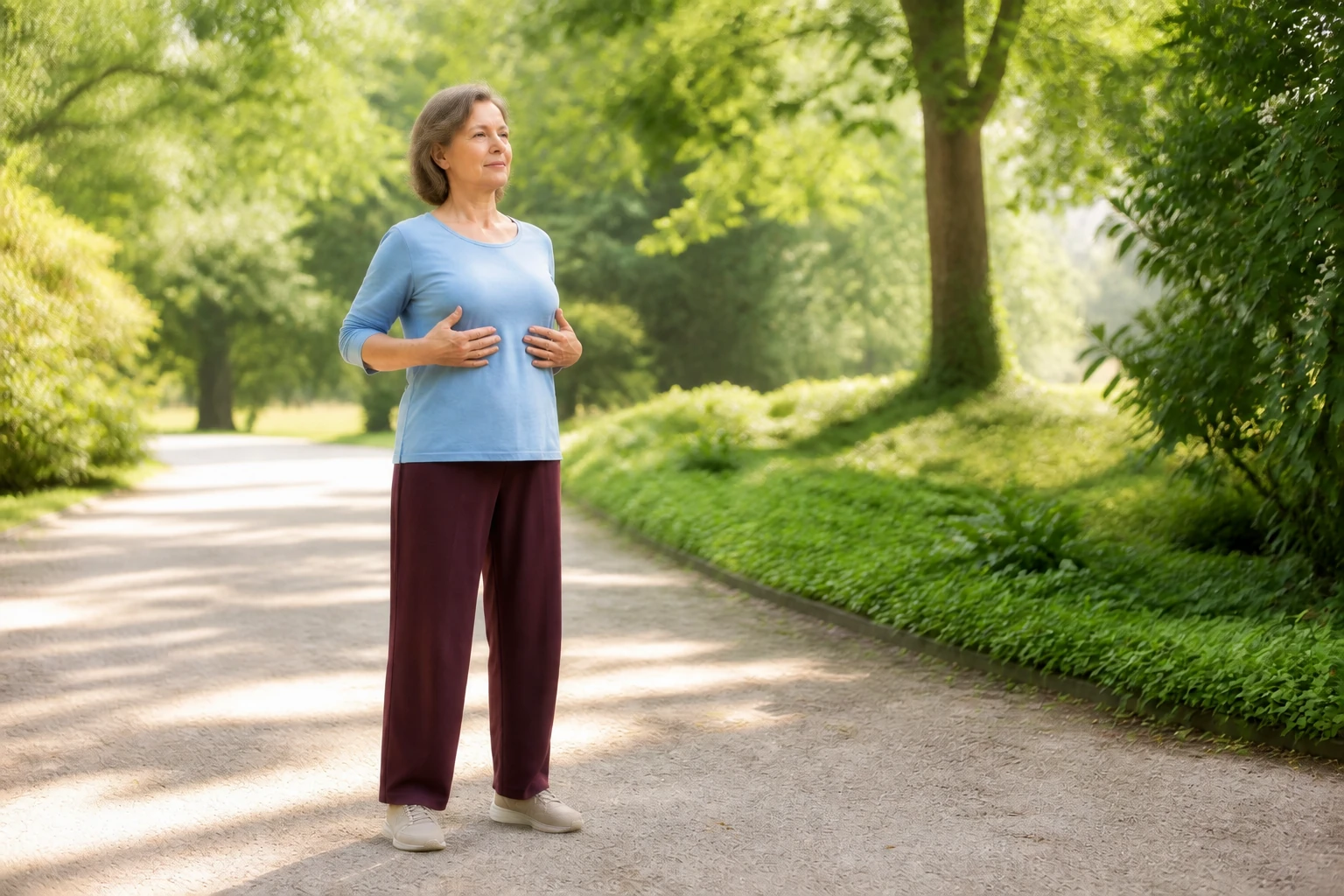
A gentle start without breath-holding, magical ratios or promises that one technique will solve stress
Read article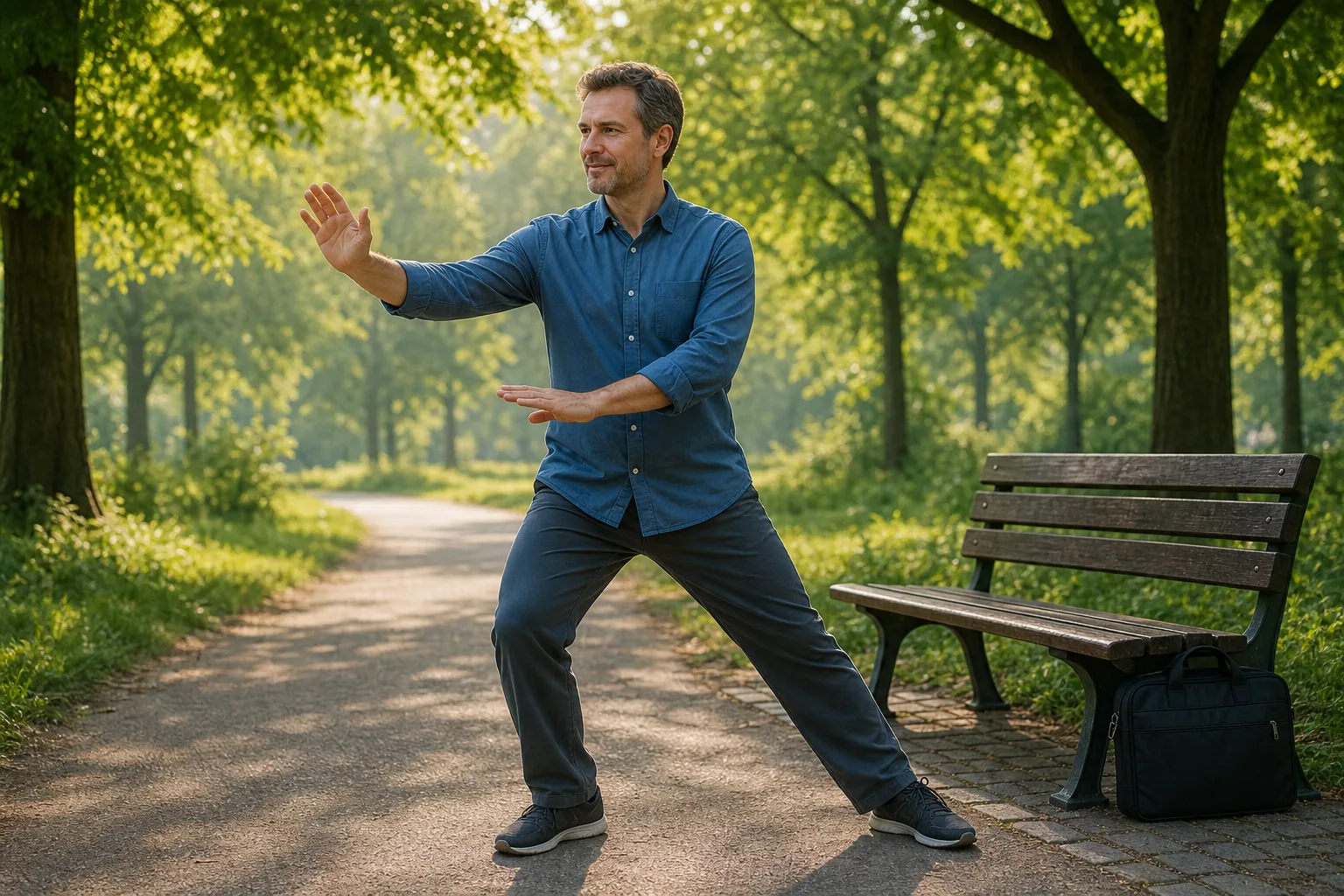
How to make calm movement part of a desk-based day without pretending one short practice cancels long sitting.
Read article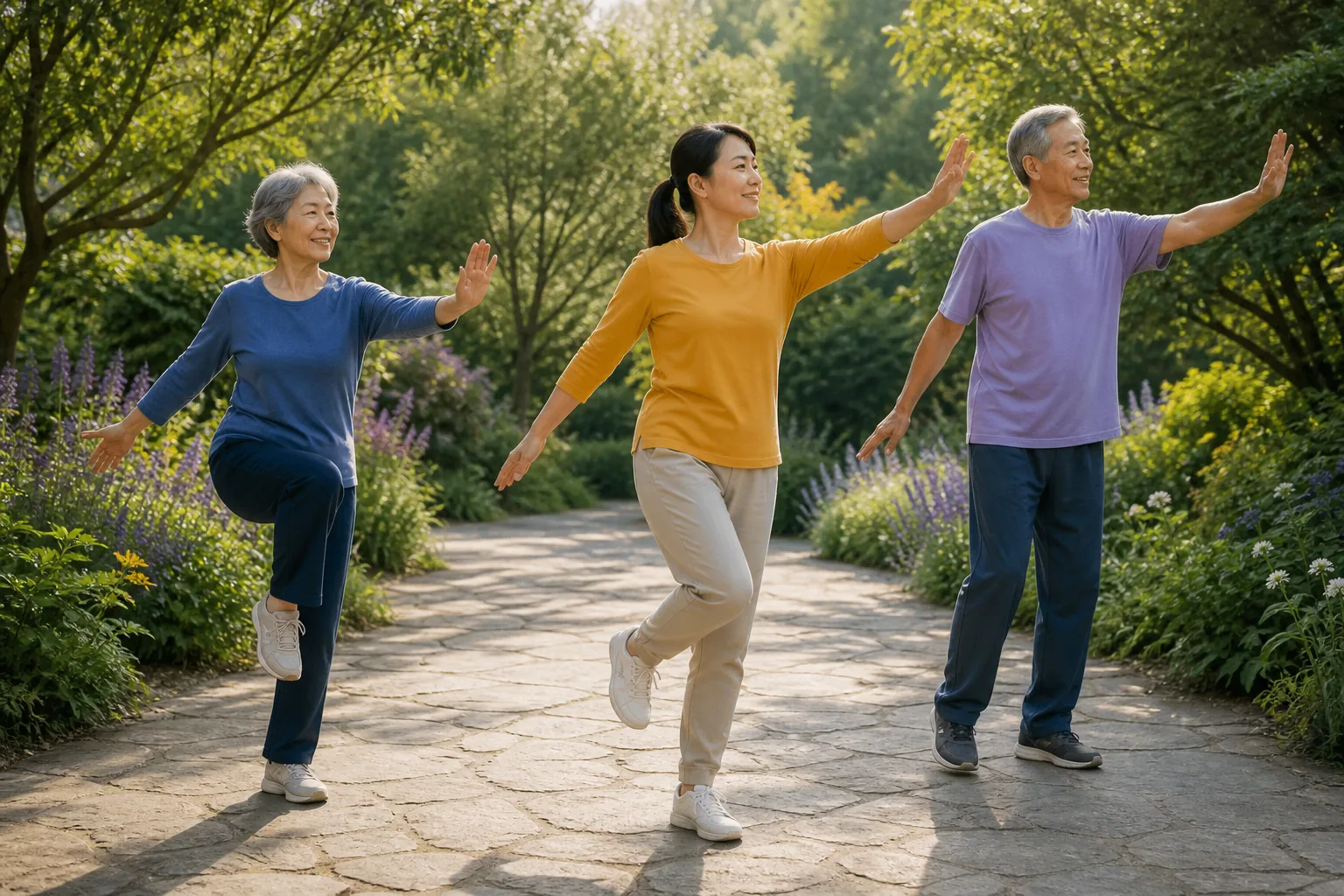
Coordination is not a performance trick: begin with a safe space, simple movement and one change at a time.
Read article
After 50, movement need not mean one hard plan: variety and recovery time both matter.
Read article
Vitality is not a biological score or rejuvenation promise. It is the practical capacity to manage a day, move, recover and stay engaged with life.
Read article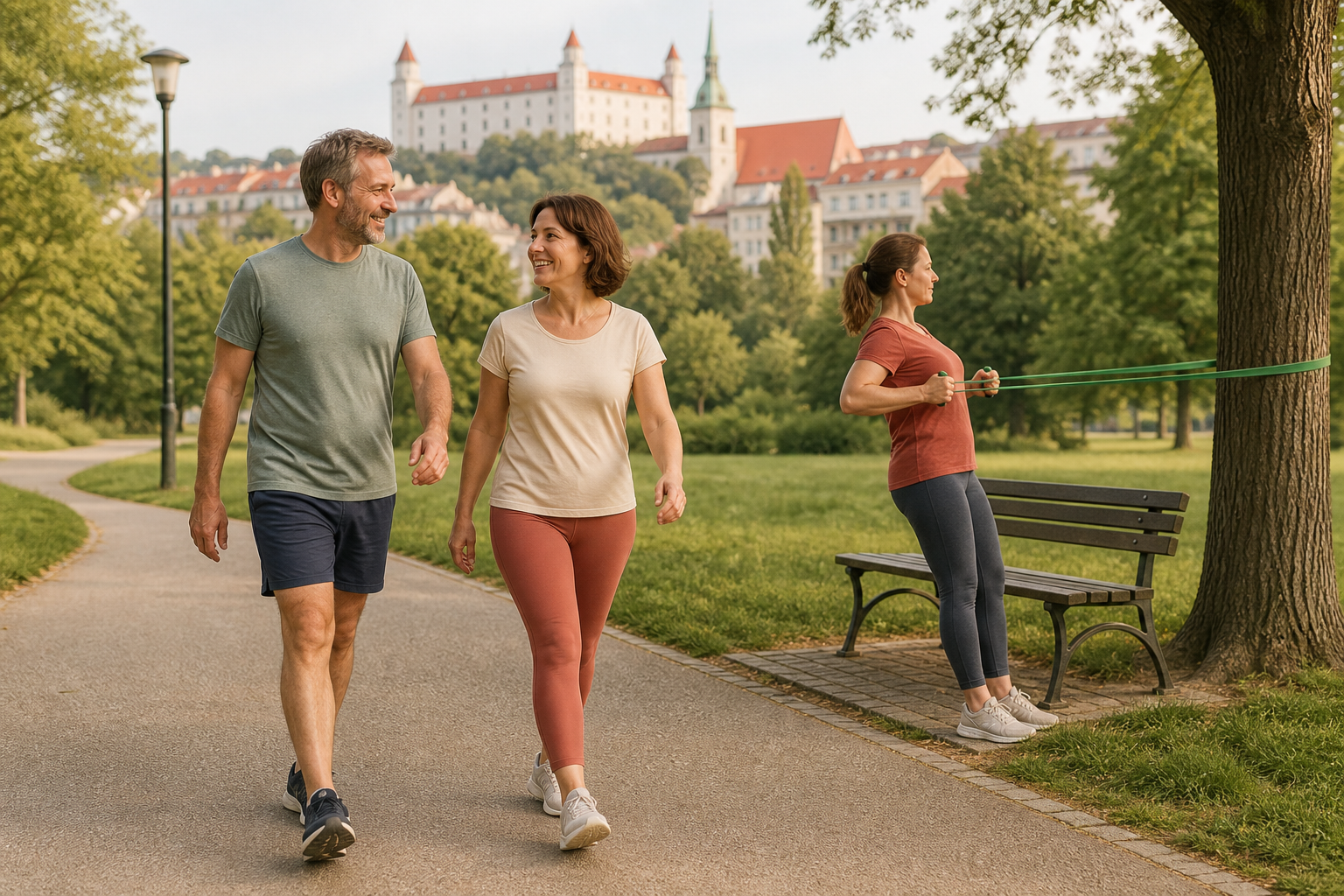
Official guidance combines aerobic activity, muscle strengthening and, in later life, balance. It does not all have to happen at once.
Read article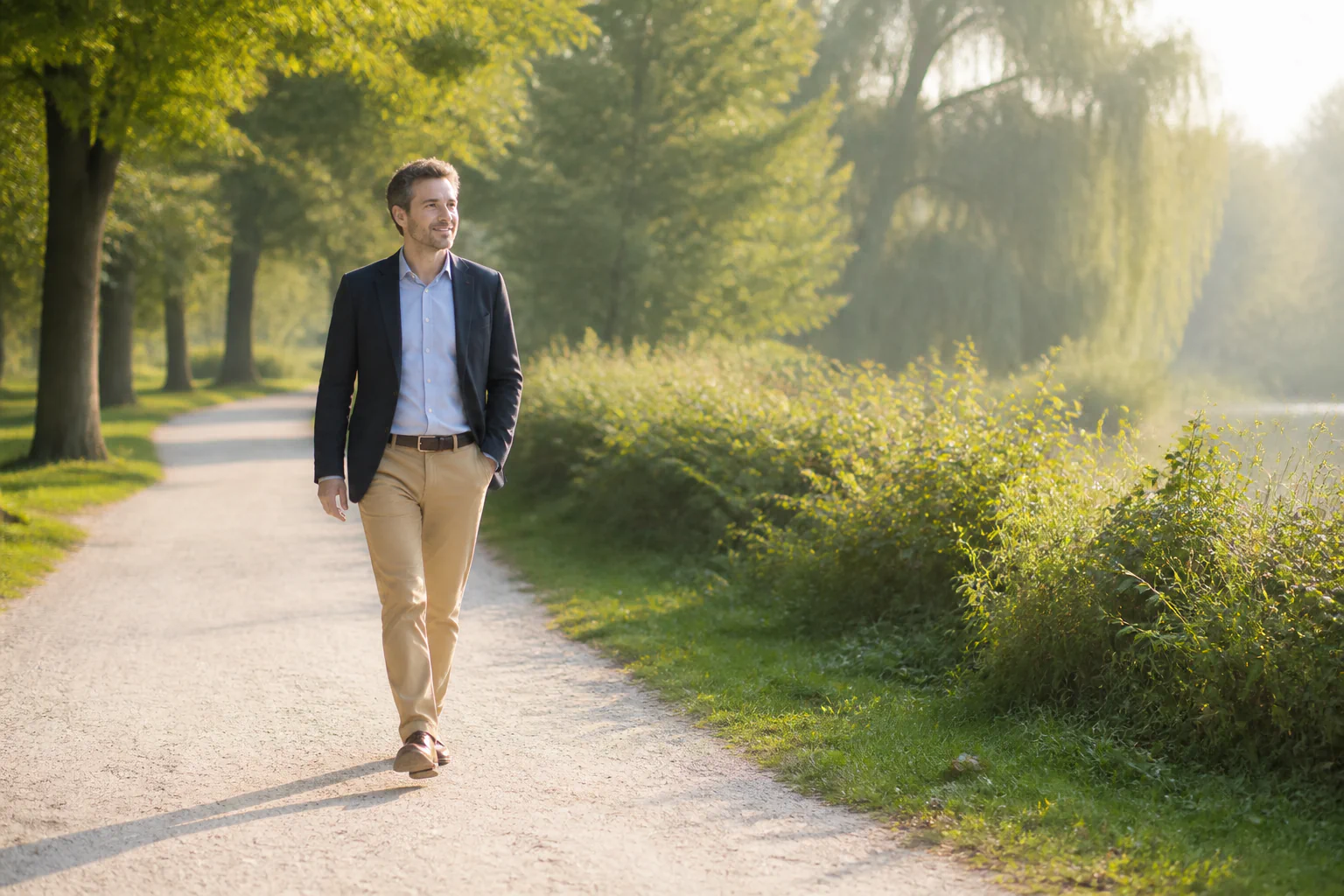
Practical, low-pressure ways to notice long sitting and add ordinary movement to a day without promises or rigid rules.
Read article
A practical distinction between available range and controlled movement, without chasing an extreme position.
Read article
A practical view of active ageing through function, relationships and environment.
Read article
What biological age and epigenetic clocks measure — and what a result does not yet establish.
Read article
A plain-language explanation of moderate intensity without chasing numbers or promises.
Read article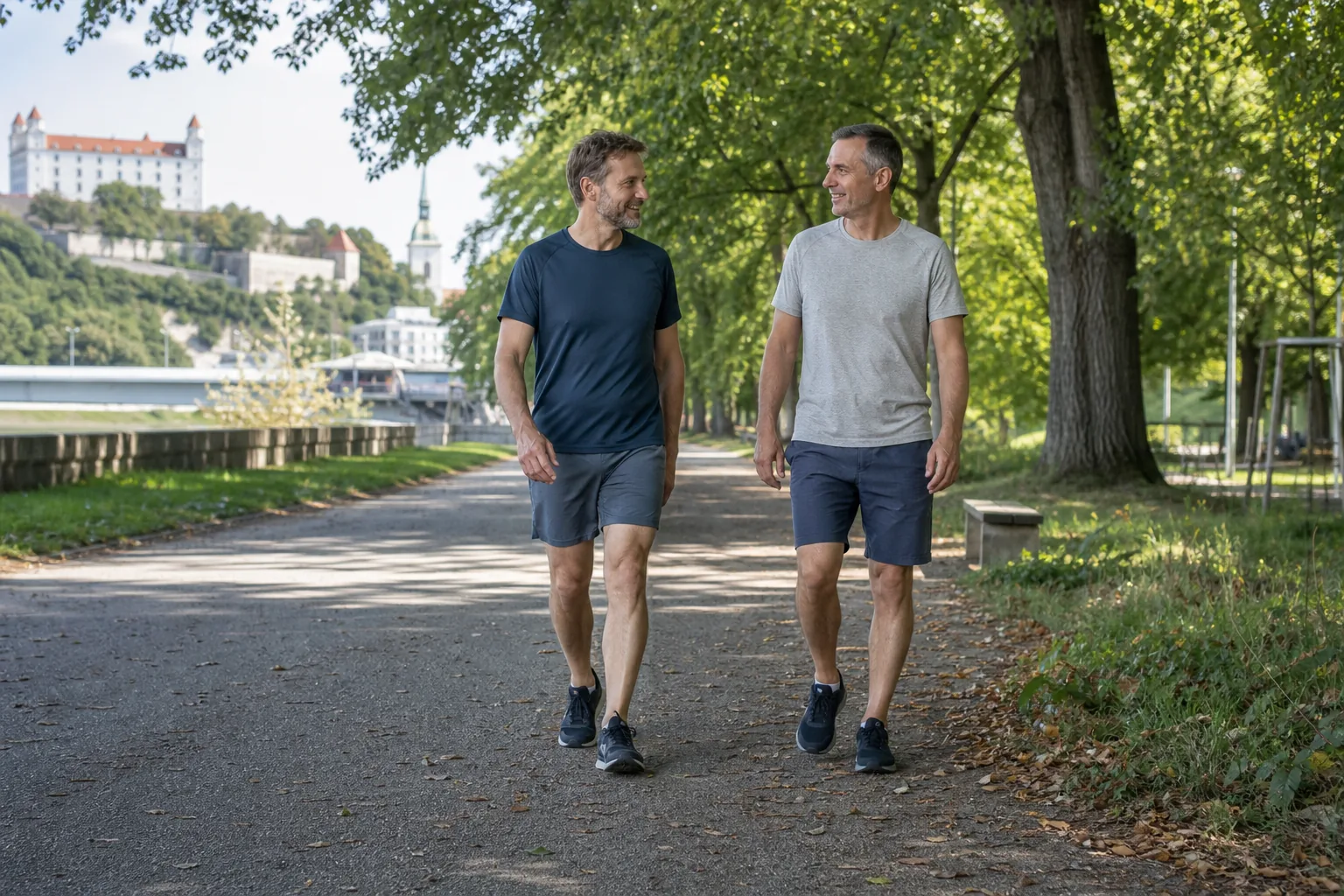
A plain explanation of a fitness measure without health promises.
Read articleA conversation can help you judge how demanding a walk feels. Use this simple check without racing other people or blindly following your watch.
Read articleThe wider picture
Endurance and muscular strength play different roles and complement one another in a sensible week.
Confidence in movement grows from support, strength, attention and gradually more challenging tasks.
Sleep, breaks from sitting and consistency help make movement sustainable.
Tai Chi Bratislava
The Bratislava morning group welcomes complete beginners. We practise calmly, without contact and at a comfortable pace.